AirPods Pro vs Sony WF-1000XM5 vs Galaxy Buds 3 Pro
Apple, Sony, and Samsung each make a compelling case for the best wireless earbuds. The right answer depends almost entirely on which phone ecosystem you live in — and how much you care about audio fidelity vs seamless device switching.
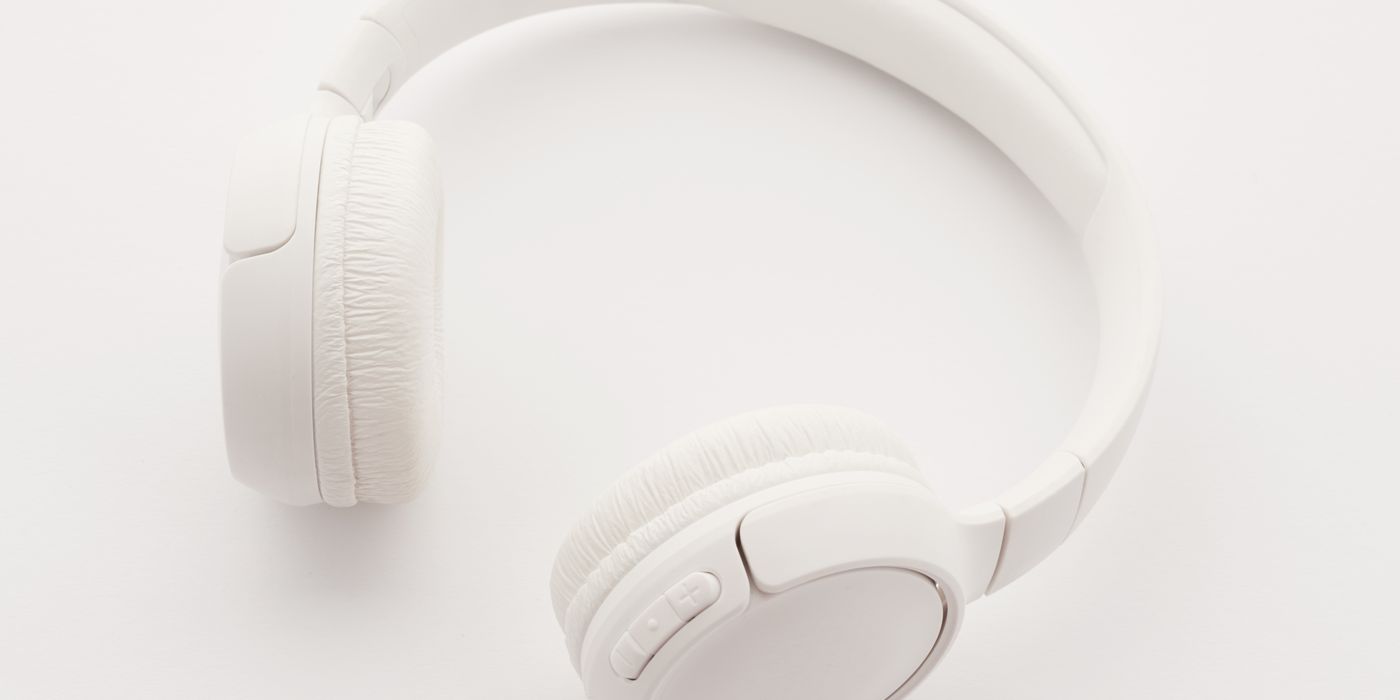
The premium wireless earbud market has settled into three clear camps: Apple with the AirPods Pro 2, Sony with the WF-1000XM5, and Samsung with the Galaxy Buds 3 Pro. All three sit in the $200–$300 range. All three deliver genuine noise cancellation and flagship-tier audio. And yet picking the wrong one can leave you fighting your earbuds every day instead of trusting them. The decision comes down less to raw specs and more to which phone is in your pocket.
At a glance
| AirPods Pro 2 | Sony WF-1000XM5 | Galaxy Buds 3 Pro | |
|---|---|---|---|
| Price (MSRP) | $249 | $280 | $250 |
| ANC quality | Excellent | Best-in-class | Very good |
| Sound profile | Balanced, Apple-tuned | Audiophile (LDAC, tunable) | Mid-forward, improved |
| Battery — buds / case | 6 hrs / 30 hrs total | 8 hrs / 24 hrs total | 6 hrs / 30 hrs total |
| Multipoint (2 devices) | Yes (Apple only) | Yes (any two devices) | Yes (Samsung/Android-first) |
| Ecosystem | iPhone / Mac | Universal | Samsung / Android |
| IP rating | IPX4 (buds + case) | IPX4 | IPX7 (buds), IPX4 (case) |
| Custom EQ | No | Yes (Sony app) | Yes (Galaxy Wearable app) |
| Hi-res codec | No (AAC) | Yes (LDAC on Android) | No (Samsung Scalable) |
ANC and transparency
Sony holds the crown for raw noise cancellation among earbuds in 2026. The WF-1000XM5 ships with two processors dedicated to ANC and handles the broadest frequency range — plane rumble, HVAC drone, and open-office chatter all get meaningfully reduced. If silencing the world is your primary goal, Sony wins this section outright.
Where Apple pulls ahead is transparency and conversation mode. AirPods Pro 2’s Adaptive Transparency is genuinely impressive: it lets ambient sound through at a natural level while automatically clamping sudden loud noises (a jackhammer, a truck horn) before they reach your ear. The conversation awareness feature — pausing audio and boosting speech when you start talking — works consistently enough that many owners never take their AirPods out mid-conversation.
Galaxy Buds 3 Pro delivers solid ANC that beats the previous generation and competes comfortably with AirPods Pro 2 in most environments. Its transparency mode is good but lacks the same natural quality as Apple’s. For commuters and office workers it is more than adequate; for frequent flyers Sony is the better pick.
Sound quality
Sony’s WF-1000XM5 is the audiophile pick, and it isn’t particularly close. The key differentiator is LDAC support on Android: LDAC transmits audio at up to 990 kbps — nearly three times the bandwidth of standard Bluetooth AAC — meaning you actually hear more of a high-res file. Pair that with a fully tunable EQ inside the Sony Headphones app (including custom presets you can save per activity) and you have a listening experience that can be shaped to your preferences.
AirPods Pro 2 sound genuinely good — warm, cohesive, with strong bass extension and clean mids. Apple’s signal processing does most of the work, and for the majority of listeners the result is satisfying. The limitation is the lack of a user-accessible EQ (beyond the accessibility-grade tone adjustments in iOS Settings) and the ceiling imposed by the AAC codec. The sound is excellent for casual listening; it is tuned for Apple’s taste, not yours.
Galaxy Buds 3 Pro improved substantially over the Buds 2 Pro with a cleaner high-frequency response and less artificial-feeling bass boost. The Samsung Scalable codec does a reasonable job on Samsung phones. On non-Samsung Android phones and on iPhone (where it falls back to SBC), the audio quality drops noticeably. If you are not on a Galaxy phone, the Sony or Apple options will serve you better.
Ecosystem and switching
AirPods Pro 2 deliver the most frictionless experience of any earbuds ever made — if you are in the Apple ecosystem. Pairing once to your Apple ID shares the connection to every iPhone, iPad, and Mac linked to that account. Switching between devices is near-instant and often automatic. Find My integration means you can locate lost buds from within the iPhone app. Siri works hands-free and responds reliably. For a household of Apple devices, this is genuine magic that the other two cannot replicate.
Sony WF-1000XM5 is the multi-device champion. Its multipoint connection works with any two Bluetooth sources — Android phone, Windows laptop, Mac, iPad — and switching between them is manual but reliable. There is no ecosystem lock-in. This makes the Sony the default recommendation for anyone who works across operating systems or who changes phones between Android and iOS.
Galaxy Buds 3 Pro are optimised for Samsung Galaxy phones and, more broadly, Android. Pairing with a Samsung phone takes seconds and unlocks all features including the full Galaxy Wearable app, auto-switch between Samsung devices, and Find My Mobile integration. On non-Samsung Android phones most features still work but auto-switching becomes less reliable. On iPhone, the buds function but you lose the companion app entirely, which means no EQ, no ANC adjustment, and no firmware updates.
Comfort and fit
AirPods Pro 2 introduced a revised silicone tip seal over the original AirPods Pro design, and the result is noticeably better passive isolation and a more secure fit during movement. The buds are compact and light at around 5.3 g each. Apple’s Ear Tip Fit Test (in iOS Settings) takes a few seconds and tells you whether the current tip size is sealing correctly — a genuinely useful tool for new users.
Galaxy Buds 3 Pro are the lightest of the three at roughly 5.5 g per bud with a slim bean-shaped shell. Many users find them the most comfortable for extended sessions, particularly those with smaller ear canals who find Sony’s larger housing uncomfortable. The wing-tip design helps keep them stable during exercise.
Sony WF-1000XM5 are notably larger and heavier than the competition — each bud weighs around 7.1 g. Sony redesigned the XM5 to be smaller than the XM4 generation, and it improved substantially, but the extra mass is still noticeable after an hour of wear for some listeners. The three included ear tip sizes cover most ear shapes; Sony also sells foam tips separately for a tighter seal.
Battery life
Sony leads on per-bud endurance: 8 hours of battery in the earbuds themselves (with ANC on) before you reach for the case. In practice that covers a full workday without a top-up. The case adds another 16 hours for 24 hours total.
- Sony WF-1000XM5: 8 hrs (buds, ANC on) / 24 hrs total with case
- AirPods Pro 2: 6 hrs (buds, ANC on) / 30 hrs total with case (MagSafe case holds more charge)
- Galaxy Buds 3 Pro: 6 hrs (buds, ANC on) / 30 hrs total with case
AirPods and Galaxy Buds compensate with larger case batteries, giving you more total wireless hours before needing a wall charger. AirPods Pro 2’s MagSafe case also charges via Apple Watch charger or Qi pad — a genuine convenience for Apple households. If you forget to charge the case and drain the buds in a single session, Sony will keep going the longest before you hit 0%.
All three earbuds are excellent products. The spec differences are real but smaller than the marketing suggests. What drives regret is mismatched ecosystem: AirPods on Android feel half-broken; Galaxy Buds on iPhone lose their companion app entirely; Sony works everywhere but lacks the frictionless magic of native integration. Buy for your phone first, sound quality second.