Best Cordless Drills in 2026
The drill you pick matters less than the battery platform you commit to. Here's how to choose — and which drill is the honest buy at each price point.
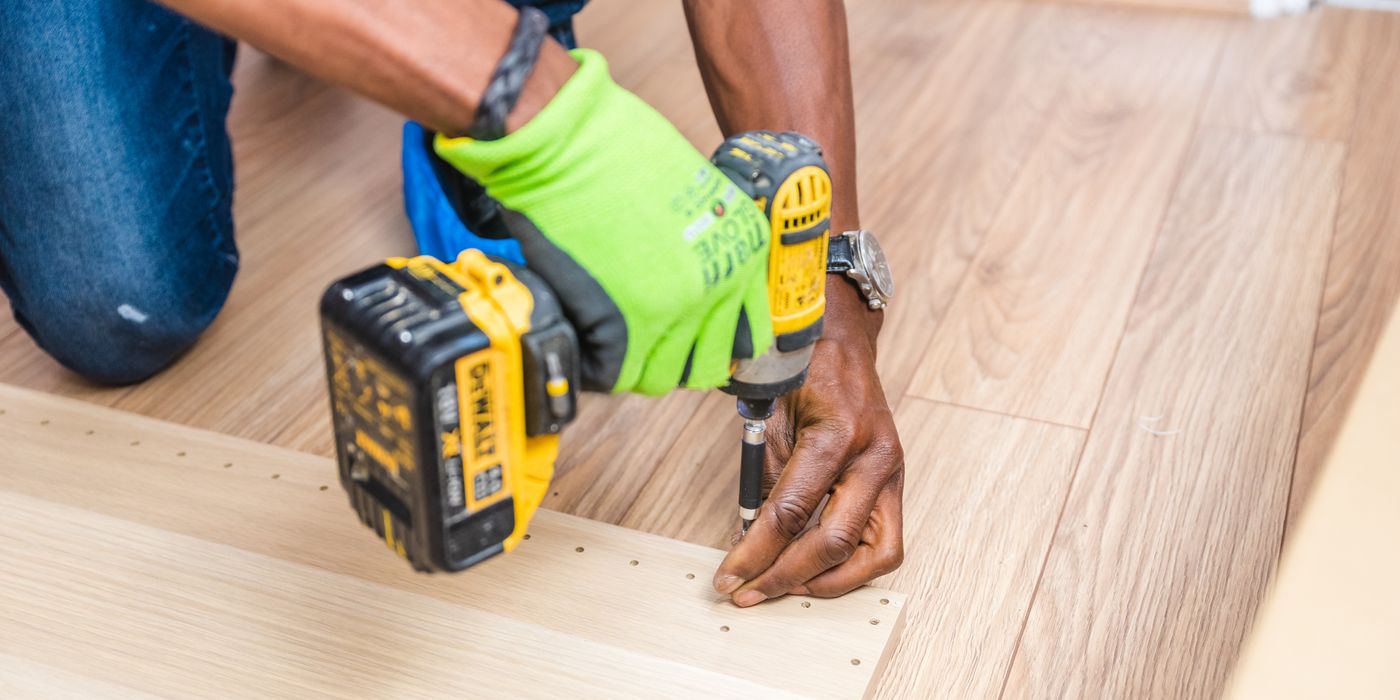
Cordless drills are a category where the marketing noise is loudest and the actual differences between top models are smallest. Every major brand makes a drill that will hang pictures, assemble furniture, and drill through 2x4s without issue. The choice that matters most isn’t which drill — it’s which battery platform. Once you own two or three tools in a brand’s ecosystem, switching is expensive.
At a glance
| DeWalt DCD777 | Milwaukee M18 Fuel | Ryobi ONE+ PCL206 | Makita XPH12Z | |
|---|---|---|---|---|
| Price (kit) | ~$99 (2 batteries) | ~$229 (2 batteries) | ~$69 (2 batteries) | ~$89 (tool only) |
| Voltage | 20V MAX | 18V | 18V | 18V |
| Max torque | 340 in-lbs | 1,200 in-lbs (Fuel) | 330 in-lbs | 480 in-lbs |
| Weight (bare) | 2.3 lbs | 2.9 lbs | 2.8 lbs | 3.3 lbs |
| Chuck size | 1/2" | 1/2" | 1/2" | 1/2" |
| Battery platform tools | 250+ tools | 200+ tools | 260+ tools | 200+ tools |
| Brushless motor | Yes | Yes (Fuel line) | Yes (PCL line) | Yes |
| LED work light | Yes | Yes | Yes | Yes |
| Best for | DIY homeowners | Contractors + heavy use | Budget + large ecosystem | Precision + overhead work |
The battery platform question first
Before you pick a drill, decide on a platform. If you already own a DeWalt grinder, stick with DeWalt. If your neighbor has Ryobi tools you borrow, stick with Ryobi. The battery compatibility within a brand’s ecosystem is the single most valuable feature of modern cordless tools — one battery platform means one charger, swappable packs between tools, and no incompatibility headaches.
- DeWalt 20V MAX / FLEXVOLT: largest retail availability. Batteries sold at every home improvement store. FLEXVOLT batteries work in both 20V and 60V tools (for the high-power lineup).
- Milwaukee M18: most powerful platform at the 18V tier. M18 FUEL tools (brushless, more powerful) vs standard M18 — both share the same batteries.
- Ryobi ONE+: the largest number of compatible tools (260+) at the lowest price point. Battery sharing across garden tools, vacuums, lighting, and power tools makes this uniquely versatile for homeowners.
- Makita 18V LXT: popular with finish carpenters and tradespeople who do precision work. Less retail availability than DeWalt/Milwaukee in the US.
DeWalt DCD777 — the homeowner default
DeWalt’s DCD777 is the drill professional contractor reviewers recommend when a homeowner asks “which drill should I buy?” It’s compact (2.3 lbs), the 20V MAX battery is the most widely available in retail, it handles everything a homeowner encounters, and the 2-battery kit at ~$99 is fair value.
- Brushless motor: uses less battery power and runs cooler than brushed motors. Longer tool life, better runtime per charge.
- 340 in-lbs torque: plenty for drilling through wood, driving screws, and light masonry with the right bit. Not enough for heavy drilling into concrete (get a hammer drill for that).
- Weakness: not the most powerful option. Milwaukee M18 Fuel produces 3x the torque for jobs that need it. If you do heavy framing or frequent concrete work, step up to Milwaukee.
Milwaukee M18 Fuel — the professional pick
Milwaukee’s M18 FUEL line is what contractors use. The FUEL designation means brushless, high-efficiency, maximum power. The M18 FUEL compact drill/driver (~$149 bare, ~$229 with batteries) delivers 1,200 in-lbs of torque in a compact form factor — more than most homeowners will ever need, but genuinely useful for professionals doing 8 hours of work per day.
- POWERSTATE brushless motor: Milwaukee’s proprietary brushless motor design gives more power and longer life than standard brushless motors. Backed by a 5-year tool warranty (vs DeWalt’s 3-year).
- REDLINK PLUS intelligence: electronics that monitor tool performance and protect against overload, overheating, and deep discharge of the battery. Extends both tool and battery life.
- Weakness: heavier and more expensive than the DeWalt. For homeowners, the extra power is underused. The investment makes sense if you’re building things regularly or working professionally.
Ryobi ONE+ — budget + the biggest ecosystem
Ryobi is owned by Techtronic Industries (same parent company as Milwaukee and AEG), which means the manufacturing quality is better than the price suggests. The ONE+ platform’s 260+ compatible tools is legitimately the largest of any brand — from power tools to outdoor equipment to specialty gadgets. The $69 kit with two batteries is the lowest entry price to a real battery ecosystem.
- Best for: first-time tool buyers who want to build a tool collection over time without locking into an expensive platform. The ecosystem breadth means each battery you buy becomes more valuable as you add tools.
- PCL206 (18V ONE+): the current brushless compact drill. Handles homeowner work well. Not contractor-grade but doesn’t need to be.
- Weakness: lower build quality than DeWalt/Milwaukee at the pro tier. If you’re using tools daily in tough conditions, Ryobi will wear out faster.
Who should pick which
The takeaway
For most homeowners: DeWalt DCD777 ~$99 kit. It will handle everything you need, the batteries are available everywhere, and if you need more tools later, the 250+ ecosystem has you covered.
If you’re starting from zero and budget is the priority: Ryobi ONE+ ~$69 kit. You’ll outgrow the power in 5 years if you get serious about projects — but it’s a real drill at a real price, not a toy.